
UK leaders in glamping consultancy, design and planning
Exemption Licence
What is a Paragraph 5 exemption licence?
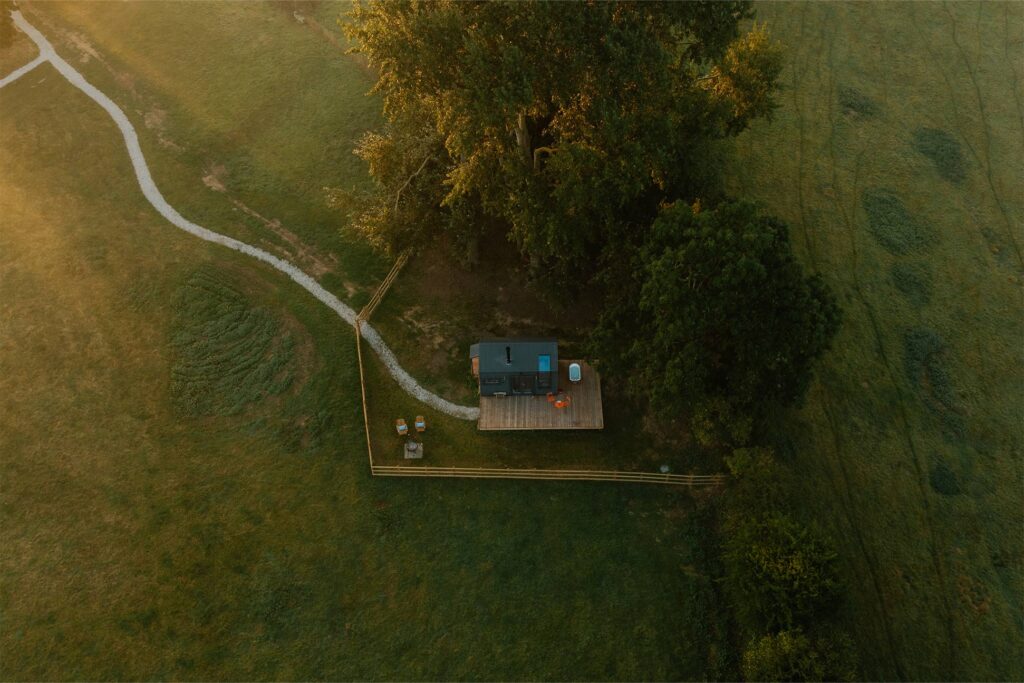
A Paragraph 5 exemption licence allows suitable landowners to operate a small number of temporary glamping units without needing full planning permission, provided sites host no more than five Caravan Act-compliant units and meet certain criteria.
The Crown & Canopy Glamping Club is an exempted organisation recognised by Natural England, so we can assess, certify and manage exemption licences on your behalf. Book a free 30-minute consultation call to find out how our team can help secure yours.
How an exemption licence works?
-
Site assessment & eligibility check
-
Application & documentation
-
Consultation & liaison
-
Certification & compliance
Why choose an exemption licence?
Compared to a full planning application, an exemption licence offers a number of clear advantages:
- Faster to get started, without lengthy planning processes
- Lower cost, with no planning fees
- Lower risk, letting you test glamping demand before bigger investment
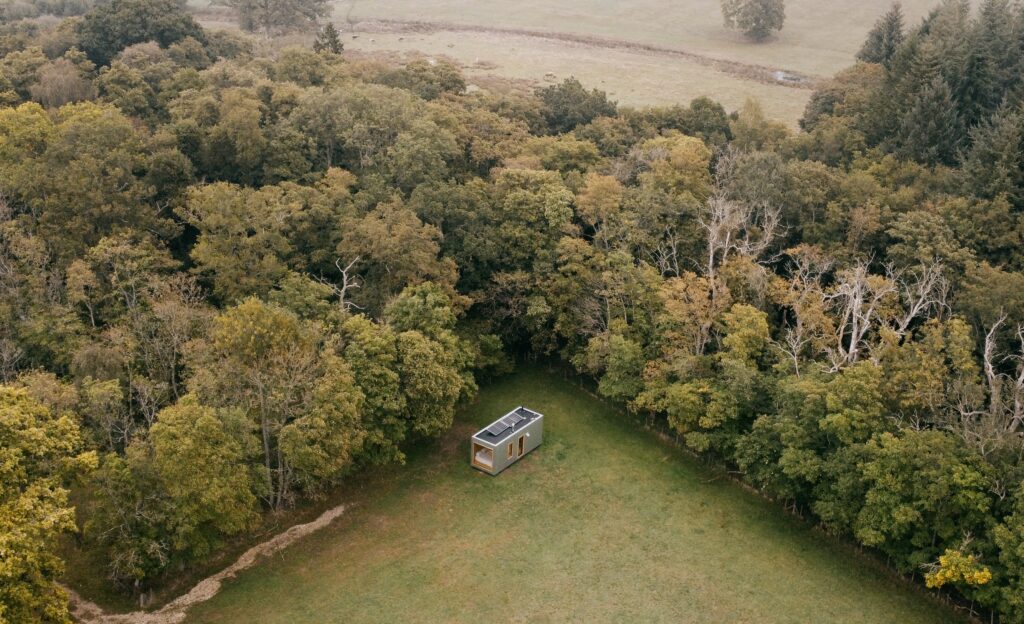
- Built around low-impact, temporary and reversible structures
Specialist exemption support
We work closely with you to explore your site’s potential for a small-scale glampsite. Once we’ve discussed your goals, we carry out an initial assessment covering location, environmental constraints, access and infrastructure. Together, we agree the best route forward for your land and your business.


Not sure exemption is right for you?
If your plans go beyond five units, or you’d rather explore full planning permission from the outset, our planning services team can guide you through that route instead.
Still have questions about your site’s potential? Read our FAQs to learn more, or get in touch with our team.
Have a project in mind? Get in touch
We offer free, no-obligation 30-minute consultations with our team of specialists.
Complete the form with your project ideas and details, and a member of our team will be in touch as soon as possible. All fields are required.
"(Required)" indicates required fields